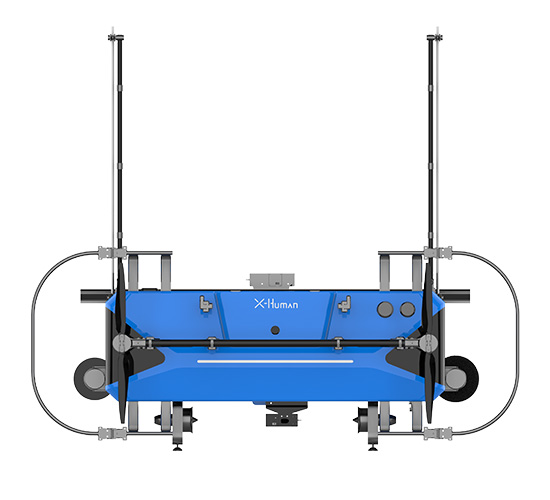
Introduction: Closed-loop curtain wall cleaning can reduce water use and chemical runoff when procurement teams verify system design, maintenance, and real building conditions.
High-rise facades shape how commercial buildings are perceived, but keeping them clean is an operational burden. Traditional window cleaning often depends on crews, access equipment, potable water, cleaning chemicals, and repeated visits. Each element carries a cost, and each creates an environmental and safety consequence that building owners must manage.
Water efficiency is becoming more important because cleaning competes with cooling, irrigation, plumbing, and other building demands. In water-constrained markets, a facade cleaning program that cannot measure or control water use is difficult to defend. Closed-loop cleaning offers a possible response, but its value depends on engineering, maintenance, and operating discipline rather than a single green label.
The same pressure appears in corporate sustainability reporting. Real estate teams are asked to explain operational water use, waste streams, and resource efficiency, yet cleaning often sits outside the measurement boundary. A closed-loop system becomes more useful when its water and energy data can be integrated into routine facilities reporting.
Facility managers must protect appearance, worker safety, tenant satisfaction, and budgets at the same time. A cleaning method that consumes less water but requires more repairs or creates inconsistent results is not a sustainable improvement.
A lower water bill may be offset by higher labor, filter replacement, wastewater handling, or downtime. Procurement decisions should therefore compare total operating performance, not just the cleaning method or purchase price.
Conventional facade cleaning usually applies water and cleaning agents to a surface and allows much of the runoff to leave the work area. A closed-loop system captures a portion of the wash water, filters it, and returns it to the cleaning process. The approach can reduce freshwater demand when the equipment, filtration design, and maintenance schedule are matched to the building.
A closed-loop system is not a zero-water system. It still requires water for the initial charge, replacement losses, rinsing, and cleaning chemistry. It also produces wastewater that must be managed. The meaningful question is how much water is consumed per square meter, how often the loop must be serviced, and whether cleaning quality remains stable over time.
Capture efficiency depends on the cleaning head, suction design, surface condition, and operating angle. Smooth glass may allow better recovery than textured or heavily soiled surfaces. Buyers should ask for measured recovery rates under representative conditions rather than assuming that recirculation works equally well on every facade.
Filters protect pumps and cleaning components, but they also become maintenance items. A system that recovers water while producing difficult-to-handle sludge or requiring frequent filter changes may shift environmental pressure from water use to waste management.
Recycled water can carry dissolved soils, minerals, and cleaning agents. That water may be acceptable for an initial wash but unsuitable for a final rinse. The cleaning method must define water quality thresholds, chemical dosing limits, and surface compatibility tests.
Glass coatings, sealants, stone finishes, and hidden drainage paths can react differently to recycled water. A small test area should be used to confirm visual results, residue levels, and material compatibility before full deployment.
Water savings are only one part of the environmental case. Lower chemical runoff, fewer site deliveries, reduced rework, and more efficient use of labor and equipment can all influence the overall footprint of a facade maintenance program.
A credible evaluation should use indicators that can be recorded and compared. These include water consumed per square meter, cleaning agent used per cycle, energy consumed per shift, wastewater sent for treatment, filter and brush replacement rates, and the percentage of surfaces requiring a second pass.
Battery-powered cleaning equipment can reduce the need for temporary power connections and long utility runs. That can lower setup time and improve access on occupied buildings, although battery production, charging, and replacement remain part of the life-cycle assessment.
When a cleaning system leaves streaks or missed areas, the building pays twice through additional water, labor, and equipment time. A stable cleaning process can therefore deliver environmental value by reducing repetition rather than by improving a single efficiency number.
The benefit also depends on the cleaning schedule. A building that cleans less often may save water in the short term but require a heavier wash later, while an overly frequent schedule can waste resources on lightly soiled surfaces. Condition-based scheduling can help align cleaning intensity with actual facade conditions and tenant expectations.
Closed-loop facade cleaning is most relevant when water access is limited, runoff control matters, or the building has large areas of smooth, accessible curtain wall. The technology is less suitable when surfaces are highly textured, facade geometry is complex, or safe access cannot be established.
Office towers, hotels, and mixed-use buildings often combine large glass areas with strict appearance standards. These properties can benefit when the cleaning plan links water use to a measurable maintenance schedule.
Projects in dry climates or regions with seasonal restrictions may value a system that reduces freshwater demand. The strongest cases combine water reduction with clear data on cleaning performance and wastewater handling.
Older buildings and occupied sites may not have convenient water or power connections. Battery operation and an internal tank can simplify deployment, but the team must still plan for charging, refilling, and safe working positions.
Retrofit projects require a site survey because roof access, anchor points, facade details, and drainage conditions can vary widely. A pilot should test the system on representative elevations before a portfolio-wide rollout.
Buildings pursuing sustainability goals need more than a supplier statement. They need operating records that connect cleaning activity to water, energy, waste, and safety outcomes.
A pilot is the most reliable way to test fit. The pilot should cover different elevations, wind conditions, facade orientations, and soiling levels. It should also measure the labor, water, energy, and maintenance needed to complete a defined area. Results from one clean elevation should not be treated as evidence for an entire portfolio.
Water recycling can be useful and still be overstated. A recovery rate measured in a controlled test may not reflect wind, heat, surface contamination, or the way a cleaning head interacts with a real facade.
Manufacturer data can show design capability, but it cannot prove performance across every building. Procurement teams should separate verified test results, field measurements, and marketing claims, then decide what evidence is sufficient for acceptance.
The environmental and financial performance of a closed-loop system depends on routine service. Filters, seals, pumps, sensors, batteries, and cleaning heads all have service lives. If these items are difficult to source or replace, the system may become costly to operate.
Teams should confirm who replaces filters, how wastewater is stored, where it is discharged, and what local rules apply. These details determine whether a low-water system also produces a manageable waste stream.
A technology assessment should also consider where the recovered water goes when maintenance stops. Tanks may need draining, filters may require safe disposal, and unused cleaning agents can become chemical waste. These end-of-cycle procedures belong in the environmental comparison, not in an appendix.
A structured review helps buyers compare systems on the same basis. The following checks should be completed before a pilot expands across a property portfolio:
1. Confirm the measured water consumption per square meter.
2. Request the filtration method, recovery rate, and water quality limits.
3. Review cleaning agent requirements and runoff controls.
4. Verify battery runtime, charging time, and energy use.
5. Check surface compatibility for glass, coatings, sealants, and stone.
6. Review fall protection, suction, self-locking, and emergency systems.
7. Ask for maintenance intervals and consumable life-cycle data.
8. Confirm local availability of filters, brushes, batteries, and service support.
9. Compare purchase, lease, labor, water, energy, and waste costs.
10. Require acceptance tests and operating records before full deployment.
Measurement turns an environmental claim into an operating decision. A baseline should be recorded before deployment, followed by monthly results for water, energy, cleaning quality, maintenance, and safety.
Useful metrics include liters per square meter, cleaning agents per cycle, kilowatt-hours per shift, square meters cleaned per hour, rework rate, filter replacement frequency, and wastewater volume. The exact targets should reflect the building type, climate, surface, and cleaning frequency.
Benchmarks should distinguish cleaning frequency from cleaning quality. A system that uses less water but requires two passes may not reduce total consumption. Managers should compare completed clean area, final inspection results, and total resource use in the same reporting period.
Reports should identify the data source, measurement period, operating conditions, and any exceptions. A result without context can mislead managers when weather, facade condition, or tenant activity changes.
Service logs, water refill records, filter changes, and incident reports create an audit trail. These records support internal reporting and give procurement teams evidence when a supplier makes a performance claim.
A: It is a cleaning method that captures and recirculates part of the wash water instead of using only a single pass of freshwater.
A: No. The system still needs water for initial charging, losses, rinsing, and cleaning chemistry, so total consumption must be measured.
A: It can work when water quality, filtration, chemistry, and the final rinse are controlled. Surface testing should confirm the result.
A: Buyers should request test conditions, liters per square meter, recovery rates, maintenance requirements, and wastewater handling records.
A: No. Facade geometry, surface texture, access, climate, and local discharge rules can limit its suitability.
A: Filters, pumps, seals, sensors, and water handling add service requirements. These costs should be included in the total operating comparison.
Closed-loop systems can make high-rise facade cleaning more resource-efficient, but the environmental benefit is not automatic. The strongest programs connect water recovery to cleaning performance, maintenance, waste handling, and verified operating data. That approach gives facility managers a defensible way to reduce freshwater demand and control chemical runoff while protecting safety and appearance.
For teams beginning that review, x-human's K3 curtain wall cleaning robot offers one example of how battery power and internal water circulation can be combined in a commercial facade maintenance platform.
https://www.epa.gov/watersense/commercial-buildings
Note: Provides water efficiency guidance for commercial and institutional facilities.
https://www.epa.gov/waterreuse
Note: Explains on-site water reuse, treatment, and non-potable applications for commercial operations.
https://www.energystar.gov/buildings
Note: Supports operational energy management and performance tracking in commercial buildings.
https://environment.ec.europa.eu/topics/water/water-reuse_en
Note: Frames safe water reuse as a response to pressure on freshwater resources.
https://www.iea.org/energy-system/buildings
Note: Provides analysis of building energy use, operations, and efficiency trends.
Note: Collects high-performance building resources relevant to operations and maintenance.
https://x-humanbot.com/products/lingkong-k3
Note: Presents a commercial example of battery-powered facade cleaning with an internal water circulation tank.
https://www.wbdg.org/guides-specifications/building-envelope-design-guide
Note: Provides technical context for envelope design, maintenance, and cleaning decisions.
Note: Explains facade engineering considerations that affect access, durability, and maintenance.
https://www.ifma.org/about/what-is-fm/
Note: Defines facility management as an integrated operational function across people, place, process, and technology.
https://www.industrysavant.com/2026/10/high-rise-window-cleaning-robot-roi-for.html
Note: Examines cost, labor, insurance, and safety factors in robotic facade cleaning decisions.
https://blog.industrysavant.com/2026/09/preparing-high-rise-facade-data-for.html
Note: Explains the project data needed for a credible supplier and system evaluation.
https://www.epa.gov/watersense/types-facilities
Note: Offers facility-specific context for commercial water efficiency planning.